
Search engine rankings in 2026 are shaped by one central idea: how well your website serves real users. Google’s algorithm has evolved far beyond keywords and backlinks. Today, rankings depend on relevance, user experience, trust, and consistency.
At HIDM – Hisar Institute of Digital Marketing, we closely study modern SEO trends, and one thing is clear: many websites fail to rank not because they lack effort, but because they continue to follow outdated SEO practices.
To improve search engine rankings in 2026, businesses and creators must understand how search engines evaluate content quality and how users interact with websites. This guide explains practical, long-term SEO strategies recommended by HIDM—methods that deliver sustainable growth rather than temporary boosts.
Understand Search Intent Before Creating Content
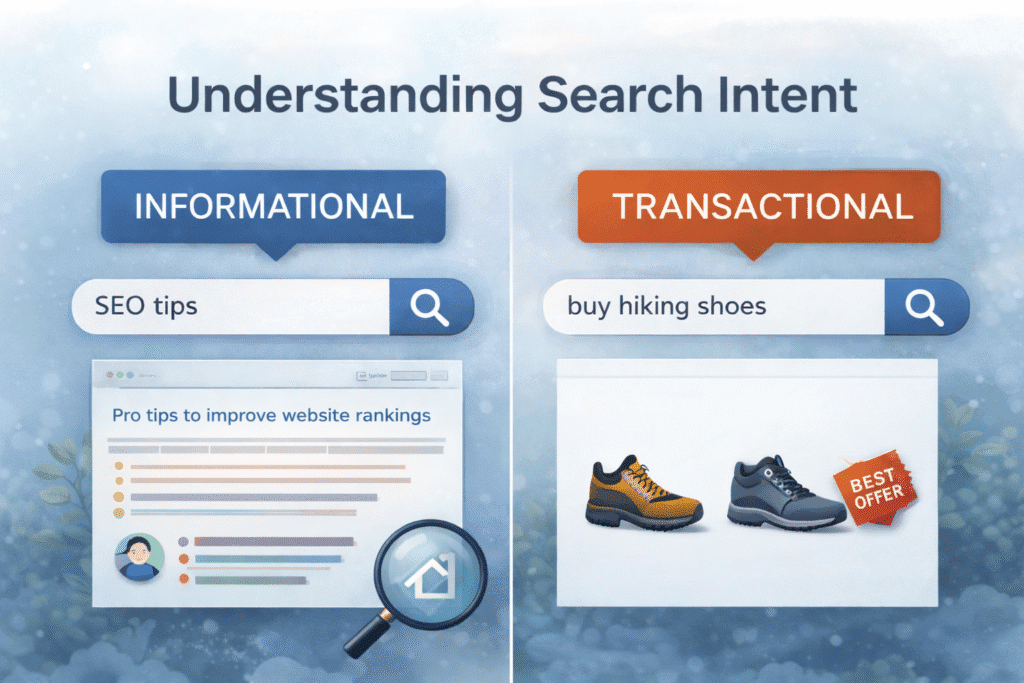
Every search query carries a clear intent. Some users are looking for information, some want comparisons, and others are ready to take action. Content that does not align with search intent struggles to rank, regardless of technical optimization.
Before publishing content, ask:
- Why is the user searching this query?
- What problem are they trying to solve?
- What result are they expecting?
For example, someone searching for “SEO tips” expects actionable strategies, not basic definitions. At Hisar Institute of Digital Marketing (HIDM), we train students and professionals to create intent-driven content that improves engagement, reduces bounce rate, and increases time spent on a page—key SEO ranking signals.
Build Content That Demonstrates Real Expertise
In 2026, search engines prioritize content that shows genuine experience and subject knowledge. Generic articles or rewritten content no longer perform well.
High-quality content should:
- Explain topics clearly and in depth
- Include real-world insights, examples, or use cases
- Answer related questions naturally
Instead of publishing multiple shallow posts, HIDM recommends creating comprehensive, authoritative content that becomes a trusted resource for users.
Structure Content for Easy Reading
Even valuable content can fail if it’s hard to read. Search engines now evaluate how users interact with content, making structure extremely important.
Effective content structure includes:
- Clear, meaningful headings
- Short paragraphs for better readability
- Bullet points where clarity is needed
A well-structured article improves both user experience and search visibility—something strongly emphasized in HIDM’s SEO training approach.
Improve Website Speed and Technical Performance
Website performance directly impacts search engine rankings and user satisfaction. A slow or unstable website weakens credibility and reduces conversions.
Key technical SEO factors include:
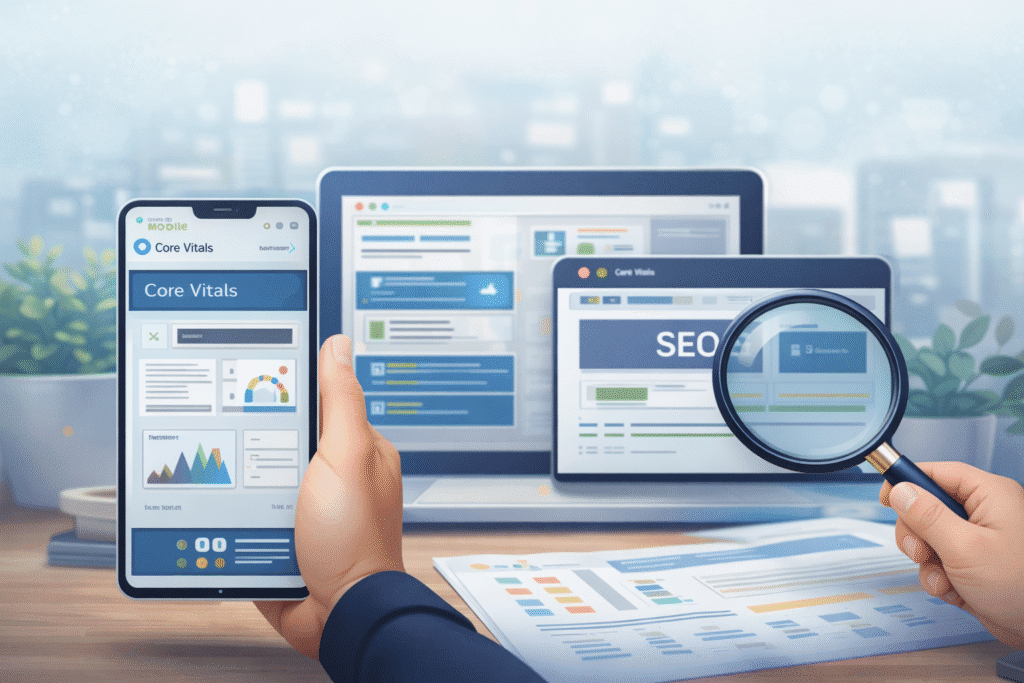
- Fast loading speed on mobile and desktop
- Stable layouts with no unexpected shifts
- Quick response to user interactions
Optimizing these elements improves engagement and strengthens overall website authority.

Mobile Optimisation Is a Priority, Not an Option
With most searches happening on mobile devices, search engines now use mobile-first indexing as a standard.
A mobile-friendly website should:
- Adapt smoothly to all screen sizes
- Have readable text without zooming
- Use touch-friendly navigation and buttons
At HIDM – Hisar Institute of Digital Marketing, mobile optimization is considered a core SEO requirement. Poor mobile experience directly affects rankings, even if desktop performance is strong.
Earn Trust Through Quality Links and Mentions
Links still matter, but quality outweighs quantity. Search engines easily identify spammy or irrelevant backlinks.
Effective link-building focuses on:
- Industry-relevant and authoritative websites
- Editorial mentions and references
- Content that genuinely deserves citations
Trust and authority grow naturally when content provides real value—an approach consistently promoted by HIDM.
Optimize for Modern Search Results
Search results in 2026 include featured snippets, AI summaries, and enhanced listings. Structuring content properly helps search engines extract and highlight your information.
To improve visibility:
- Answer common questions clearly
- Organize content logically
- Avoid unnecessary complexity
Appearing in advanced search features can significantly increase clicks, even without ranking at position one.
Keep Content Updated and Relevant
Outdated content gradually loses rankings. Updating existing pages with new insights, examples, and improvements is one of the most effective SEO techniques.
Regular content updates:
- Maintain accuracy
- Improve relevance
- Signal reliability to search engines
HIDM recommends periodic content refreshes, as they often deliver faster SEO improvements than publishing new pages.
Measure, Analyze, and Improve Continuously
SEO success depends on continuous monitoring and optimization. Data analysis helps identify strengths and improvement areas.
Track:
- Organic traffic trends
- Keyword ranking changes
- User engagement behavior
Data-driven updates ensure consistent and sustainable growth over time.

Final Perspective from HIDM
Improving search engine rankings in 2026 is not about manipulating algorithms. It’s about creating websites users trust, enjoy, and return to. Search engines follow user behavior, not shortcuts.
Websites that focus on clarity, experience, and long-term value don’t just rank higher—they maintain their rankings. At HIDM – Hisar Institute of Digital Marketing, we believe modern SEO success comes from understanding users first and optimizing with purpose.
Also read :
The Digital Resume: Why HiDM Students Graduate with Portfolios, Not Just Certificates