
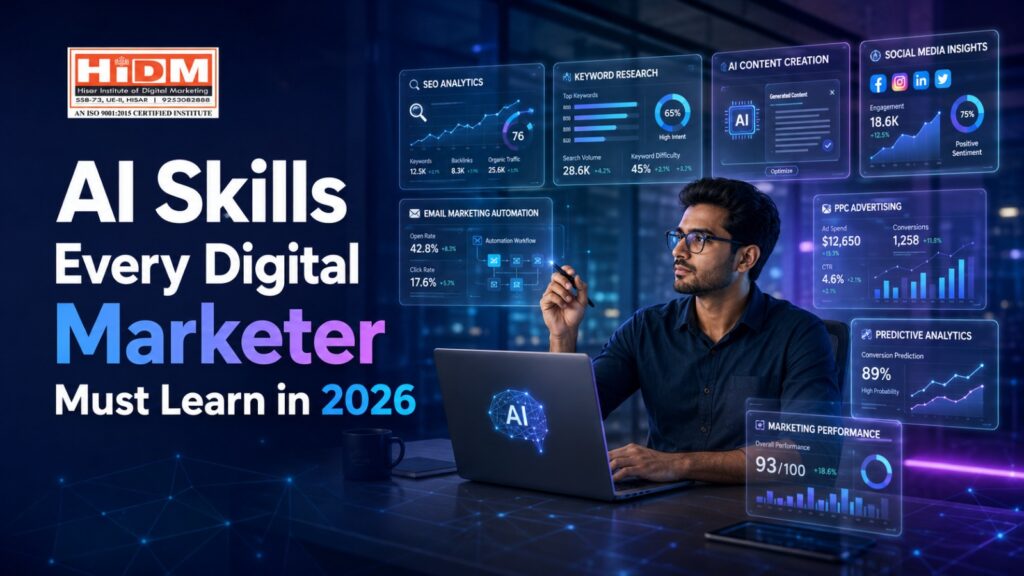
Artificial Intelligence (AI) has transformed the way businesses market their products and services. From content creation and customer support to data analysis and advertising, AI-powered tools are becoming an essential part of every marketer’s workflow. As we move further into 2026, professionals who understand AI will have a significant advantage in the digital marketing industry.
The biggest question for aspiring marketers is: What AI skills should you learn to stay competitive? This guide explores the most valuable AI skills every digital marketer must master in 2026 and how these capabilities can improve productivity, creativity, and business results.
Why AI Skills Matter for Digital Marketers
Digital marketing is becoming more data-driven and automation-focused than ever before. Brands expect marketers to create campaigns faster, personalize customer experiences, and make informed decisions based on analytics. AI helps achieve all of these goals.
Learning AI does not mean replacing human creativity. Instead, it enables marketers to work smarter by automating repetitive tasks and uncovering insights that would otherwise take hours to identify.
1. AI Prompt Engineering
One of the most important AI skills every digital marketer must learn in 2026 is prompt engineering. AI tools generate better results when they receive clear and detailed instructions.
Whether you’re creating blog posts, social media captions, email campaigns, or ad copy, writing effective prompts can significantly improve output quality. Marketers who master prompt engineering save time while producing more accurate and engaging content.
Best Practices:
- Be specific about tone and audience.
- Include goals and formatting instructions.
- Refine prompts based on previous outputs.
- Test multiple prompt variations for better performance.
2. AI-Powered Content Creation

Content remains at the heart of digital marketing, but AI has changed how it is produced. Modern AI tools can assist with brainstorming, outlining, editing, rewriting, and optimizing articles.
However, successful marketers understand that AI-generated content should always be reviewed and enhanced with human expertise. Original insights, fact-checking, and brand voice remain essential for high-quality publishing.
AI should support content creators rather than replace them.
3. SEO Optimization Using AI
Search engine optimization continues to evolve, and AI tools now play a major role in keyword research, competitor analysis, content planning, and technical audits.
Digital marketers should learn how to:
- Identify user search intent.
- Discover relevant long-tail keywords.
- Optimize headings and metadata.
- Improve internal linking strategies.
- Analyze content gaps.
Combining AI recommendations with SEO knowledge creates content that performs better in search engines while providing real value to readers.
4. Data Analysis and Predictive Insights
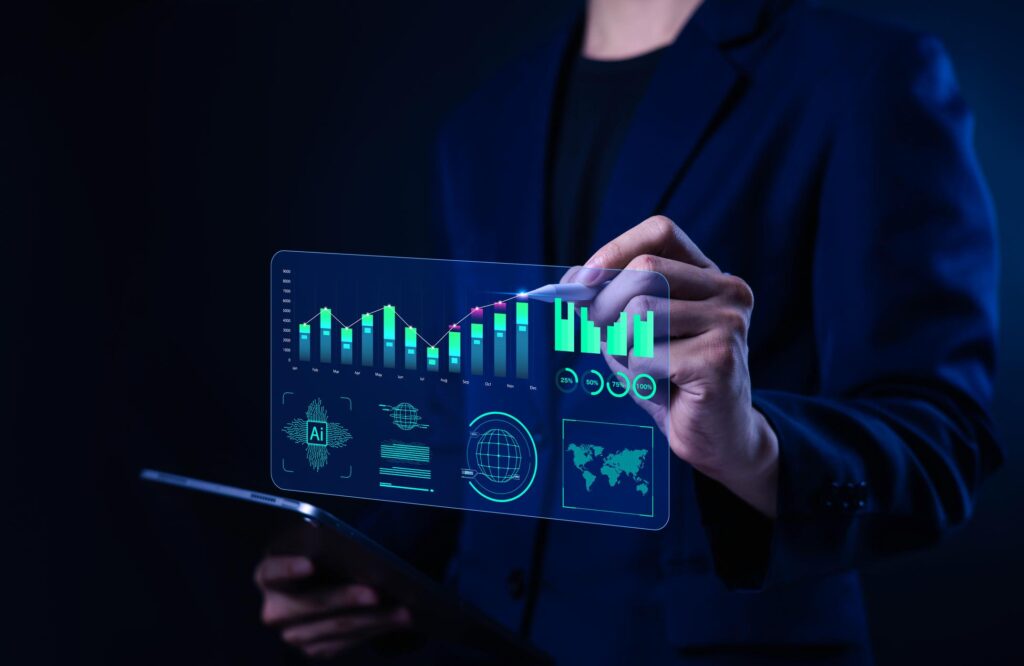
Marketing decisions should be based on data, not assumptions. AI-powered analytics platforms can process massive datasets and identify patterns that humans might overlook.
Understanding metrics such as conversion rates, customer lifetime value, engagement trends, and campaign performance enables marketers to allocate budgets more effectively.
Predictive analytics can even forecast customer behavior, helping businesses launch campaigns at the right time.
5. AI for Social Media Management
Managing multiple social media platforms manually is time-consuming. AI simplifies scheduling, audience analysis, hashtag research, and content recommendations.
In 2026, marketers should know how to use AI to:
- Generate content ideas.
- Analyze engagement patterns.
- Recommend posting schedules.
- Monitor trends.
- Measure campaign effectiveness.
This allows brands to maintain consistent online visibility while improving audience interaction.
6. Marketing Automation
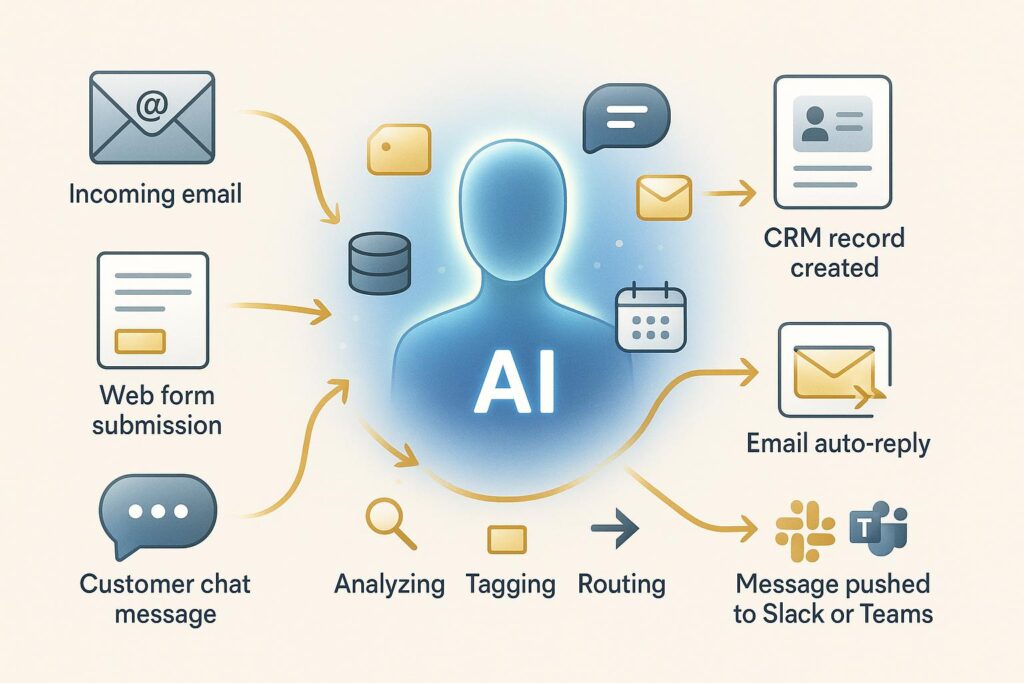
Automation is becoming a standard practice across digital marketing. AI-powered workflows can trigger emails, segment audiences, nurture leads, and personalize customer journeys without constant manual intervention.
Understanding automation tools helps marketers reduce repetitive work while delivering timely and relevant experiences to potential customers.
The result is improved efficiency and stronger customer relationships.
7. AI-Assisted Paid Advertising
Platforms like Google Ads and social media advertising systems increasingly rely on machine learning for bidding strategies and audience targeting.
Marketers who understand AI-assisted advertising can:
- Optimize campaign budgets.
- Improve click-through rates.
- Refine audience segmentation.
- Test creatives efficiently.
- Maximize return on investment.
Rather than replacing campaign managers, AI provides valuable recommendations that support better decision-making.
8. Personalization at Scale
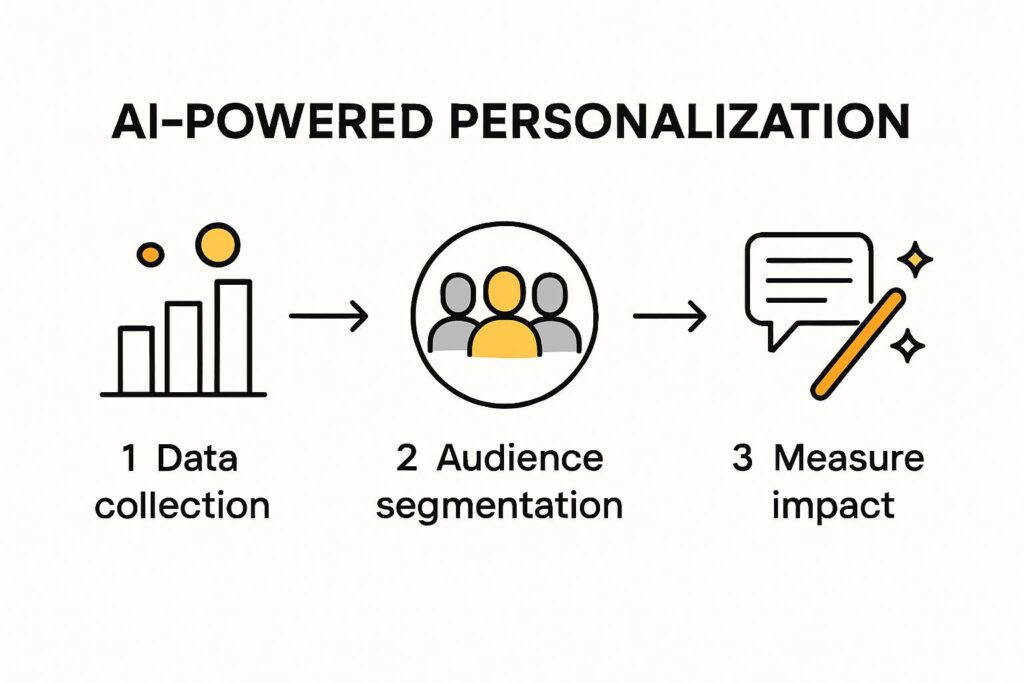
Customers expect personalized experiences across websites, emails, and advertisements. AI enables businesses to recommend products, customize messaging, and deliver relevant offers based on user behavior.
Learning how AI-driven personalization works can improve customer satisfaction while increasing engagement and conversions.
Personalization has become one of the defining competitive advantages in modern marketing.
9. AI for Email Marketing
Email marketing remains one of the highest ROI digital channels. AI helps optimize subject lines, send times, audience segmentation, and content recommendations.
Instead of sending identical emails to every subscriber, marketers can use AI to create personalized campaigns that increase open rates and encourage more meaningful interactions.
This data-driven approach leads to stronger long-term customer engagement.
10. Ethical and Responsible AI Usage
As AI adoption grows, marketers must understand ethical considerations. Transparency, privacy, copyright compliance, and responsible use of customer data are becoming increasingly important.
Businesses that use AI responsibly build greater trust with their audiences while avoiding potential legal and reputational risks.
Responsible AI practices should be integrated into every marketing strategy rather than treated as an afterthought.
How to Start Learning AI Skills
The best way to build AI expertise is through practical experience. Experiment with AI writing assistants, image generation tools, analytics platforms, and automation software while working on real marketing projects.
Focus on understanding the strengths and limitations of each tool instead of relying on automation alone. Pairing AI capabilities with strategic thinking, creativity, and marketing fundamentals will produce the best results.
Continuous learning is essential because AI technology evolves rapidly. Staying updated with new features and industry trends will help marketers remain competitive in an increasingly digital world.
Final Thoughts
The demand for AI-literate professionals is growing across every sector, making this the ideal time to invest in future-ready skills. From prompt engineering and SEO optimization to automation, analytics, personalization, and paid advertising, mastering these capabilities can significantly improve career opportunities and campaign performance.
Ultimately, AI skills every digital marketer must learn in 2026 are not about replacing human expertise—they are about enhancing it. Marketers who combine creativity, strategic thinking, and AI-powered efficiency will be better equipped to adapt to changing technologies, deliver stronger results, and create meaningful experiences for their audiences in the years ahead.