
Artificial Intelligence (AI) is no longer a futuristic concept—it has become an essential part of modern marketing. From content creation and SEO to customer support and advertising, AI tools are helping businesses work smarter and faster. As a result, digital marketing careers in 2026 are evolving rapidly, creating exciting opportunities for students and professionals who are ready to adapt.
For aspiring marketers, understanding AI is no longer optional. It has become a valuable skill that complements traditional digital marketing knowledge. This is why training institutes like HIDM (Hisar Institute of Digital Marketing) are focusing on practical, industry-relevant skills that prepare students for the future of marketing.
The Growing Role of AI in Digital Marketing
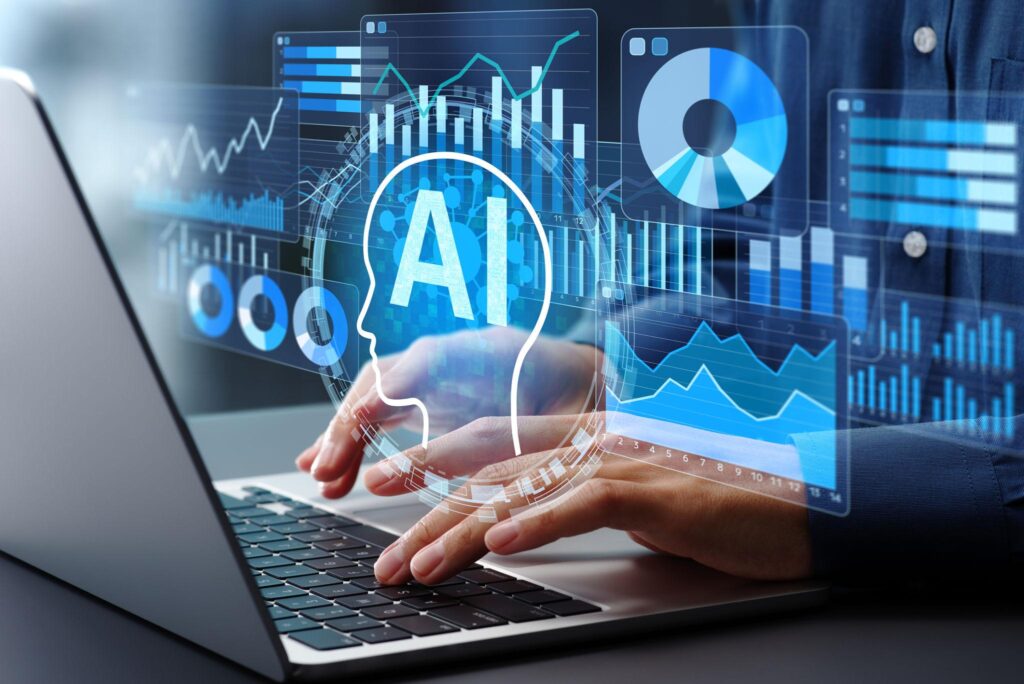
AI is transforming how businesses connect with customers. Modern marketers use AI-powered tools to analyze data, create content, optimize campaigns, and improve customer experiences.
Some common applications of AI in digital marketing include:
- Content creation and optimization
- Search engine optimization (SEO)
- Social media management
- Email marketing automation
- Customer behavior analysis
- Chatbots and customer support
- Advertising campaign optimization
These technologies help marketers make better decisions and improve productivity, allowing them to focus on strategy and creativity rather than repetitive tasks.
How AI is Changing Digital Marketing Careers
The rise of AI has not eliminated digital marketing jobs. Instead, it has changed the skills employers expect from candidates.
1. Increased Demand for AI-Skilled Marketers
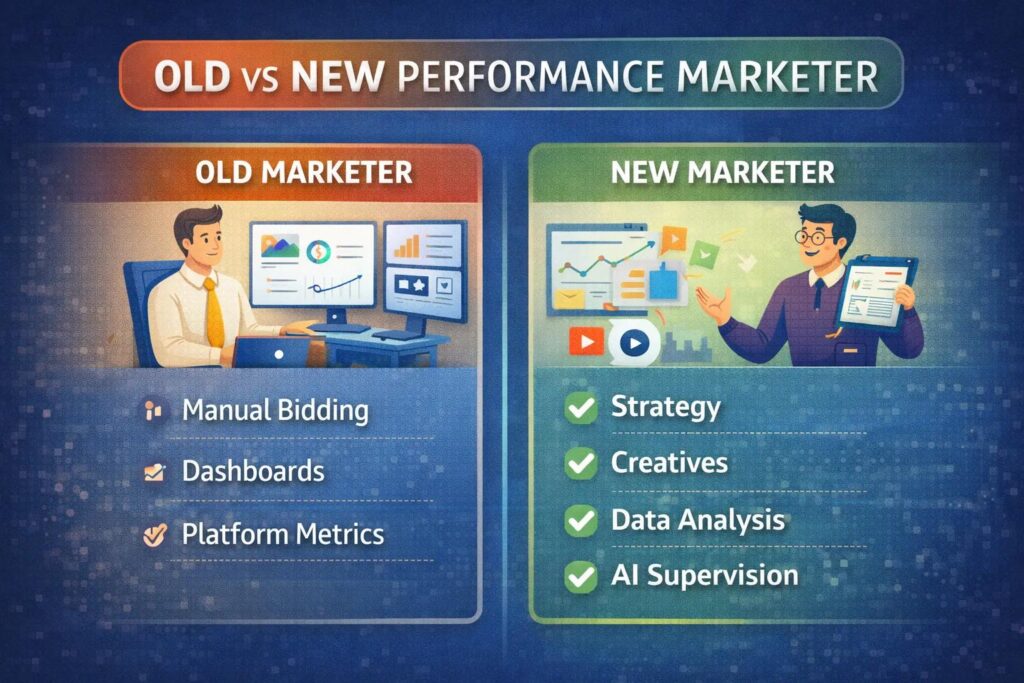
Companies are actively seeking professionals who can use AI tools alongside traditional marketing techniques. Employers value candidates who understand SEO, content marketing, Google Ads, and social media marketing while also knowing how to leverage AI for better results.
This shift has created a new generation of AI-powered digital marketers who can work more efficiently and deliver measurable business outcomes.
2. Data-Driven Decision Making
One of the biggest advantages of AI is its ability to process large amounts of data quickly. Marketers can now identify customer trends, predict behavior, and optimize campaigns with greater accuracy.
As a result, analytical skills are becoming increasingly important in digital marketing careers in 2026. Professionals who can interpret data and turn insights into marketing strategies are highly valued by employers.
3. Content Creation is Becoming Smarter
AI tools can assist with generating blog ideas, social media captions, ad copy, and content outlines. However, human creativity remains essential.
Successful marketers understand how to combine AI-generated insights with original thinking to create engaging and valuable content. This balance between technology and creativity is becoming a key requirement in the industry.
Will AI Replace Digital Marketers?
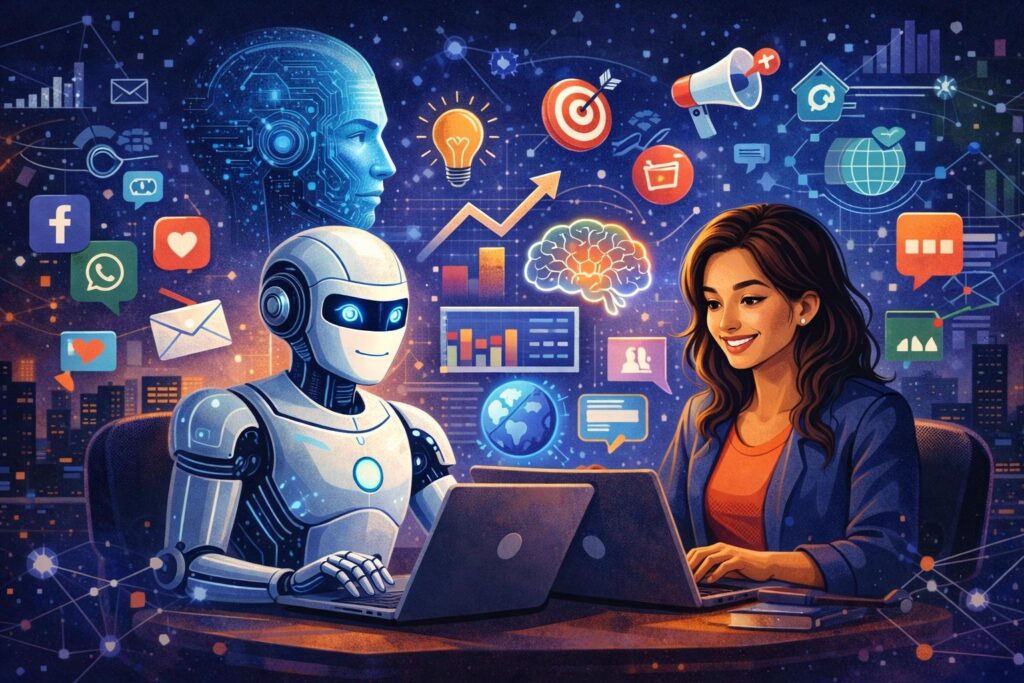
A common concern among students is whether AI will replace digital marketing professionals.
The reality is that AI is more likely to enhance marketing careers than eliminate them. While AI can automate repetitive tasks, it cannot fully replace human creativity, strategic thinking, emotional intelligence, and brand storytelling.
Businesses still need professionals who can:
- Develop marketing strategies
- Understand customer psychology
- Build brand identity
- Manage client relationships
- Create innovative campaigns
In fact, marketers who understand AI often gain a competitive advantage in the job market.
Skills Digital Marketers Need in 2026
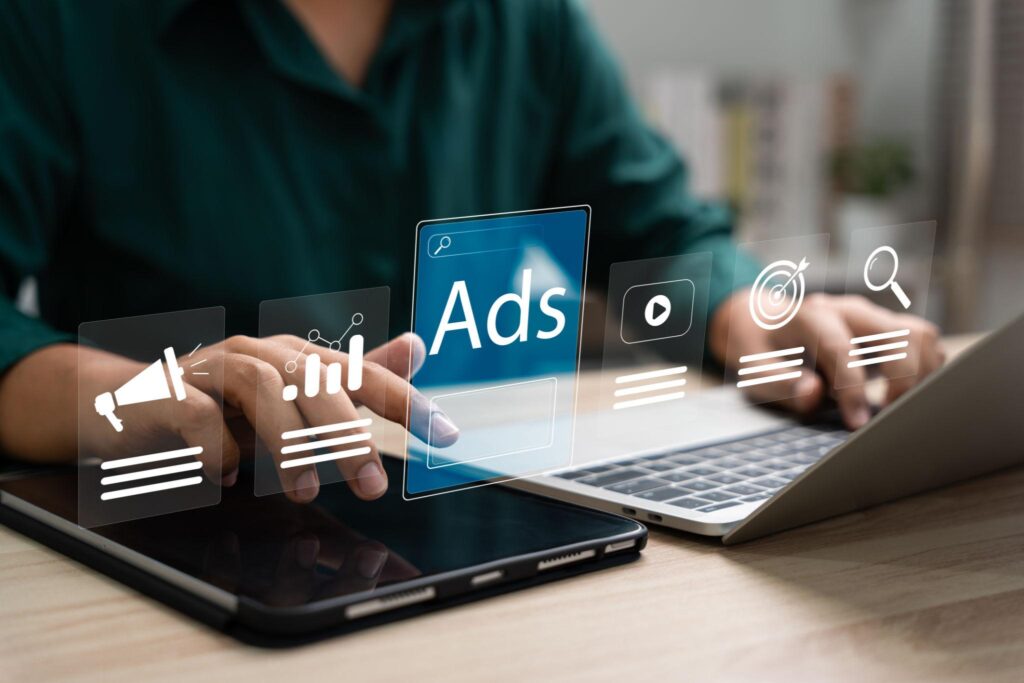
To succeed in the AI era, marketers should focus on developing a combination of technical and creative skills.
Some of the most valuable skills include:
- Search Engine Optimization (SEO)
- Content Marketing
- Social Media Marketing
- Google Ads and Performance Marketing
- Marketing Analytics
- AI Tool Utilization
- Prompt Engineering
- Email Marketing Automation
- Conversion Rate Optimization
- Strategic Planning
Professionals who master these skills are likely to enjoy strong career growth in the coming years.
Why Students Should Learn AI Along with Digital Marketing
The future belongs to professionals who can work effectively with AI rather than compete against it. Learning how to use AI tools can improve productivity, enhance campaign performance, and open doors to new career opportunities.
Students entering the marketing industry today have a unique opportunity to build future-ready skills that employers increasingly demand.
By combining digital marketing expertise with AI knowledge, candidates can position themselves for roles in SEO, content marketing, performance marketing, social media management, and marketing automation.
How HIDM Helps Students Prepare for the Future
At HIDM (Hisar Institute of Digital Marketing), the focus is on practical learning and industry-oriented training. As AI continues to reshape the marketing landscape, students need more than theoretical knowledge—they need hands-on experience with modern tools and real-world projects.
HIDM helps students understand current digital marketing practices while introducing them to emerging technologies that are transforming the industry. This approach enables learners to build relevant skills that match the requirements of today’s employers.
Whether a student aims to secure a job, start freelancing, or grow a business, understanding the relationship between AI and digital marketing can provide a significant advantage.
Conclusion
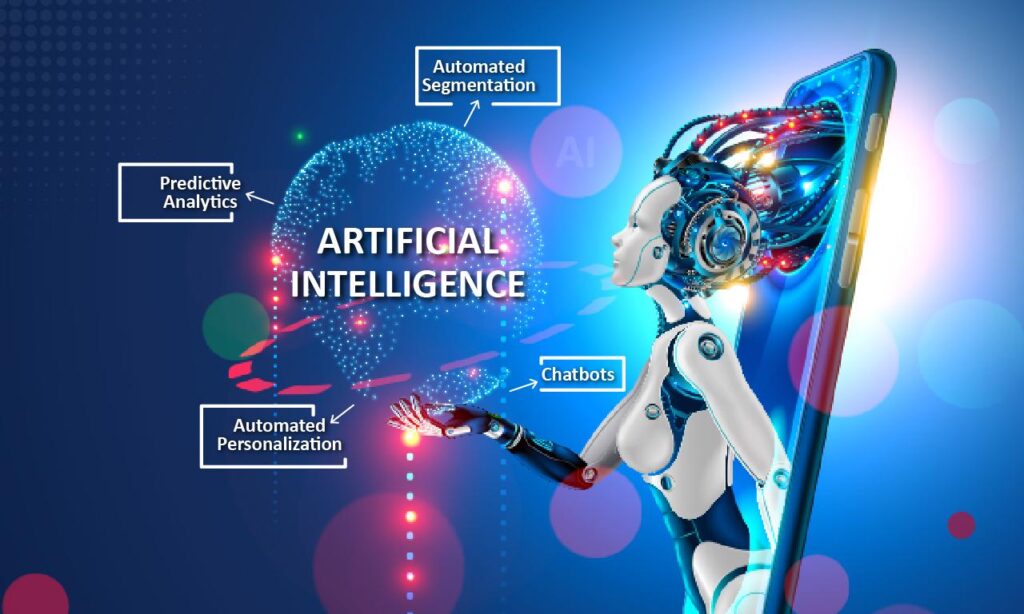
The impact of AI on digital marketing is undeniable. Rather than replacing professionals, AI is creating a new generation of marketers who can work smarter, analyze data more effectively, and deliver better results.
As digital marketing careers in 2026 continue to evolve, professionals who combine marketing expertise with AI skills will be better positioned for long-term success. For students looking to build a future-ready career, learning digital marketing alongside AI is one of the smartest investments they can make.
Institutes like HIDM are helping bridge this gap by equipping learners with practical knowledge and industry-relevant skills needed to thrive in the rapidly changing digital world.