

About the Seminar
What Is Flipkart?
Flipkart is one of India’s leading e-commerce companies, founded in 2007, that provides an online marketplace for electronics, fashion, lifestyle products, and groceries. Headquartered in Bengaluru and majority-owned by Walmart, Flipkart has transformed the way Indians shop online through innovation, affordability, and convenience.
Role in India’s Digital Economy
- Made online shopping popular in India
- Helped small businesses sell across the country
- Gave more jobs through delivery and support
- Brought shopping to smaller towns and villages
- Supported India’s move towards digital payments.
Flipkart Journey
- 2007 – Flipkart started in Bengaluru as an online bookstore.
- 2008–2010 – Added mobiles, electronics, and more products.
- 2014 – Launched the Big Billion Days sale and became very popular.
- 2016 – Started Flipkart Plus and grew its delivery network.
- 2018 – Walmart bought most of Flipkart’s shares.
- 2020 onwards – Began selling groceries, fashion, travel tickets, and launched Shopsy app.
- Today – Flipkart is one of India’s biggest online shopping companies.
Flipkart – Early Years
- Founded in 2007 by Sachin Bansal and Binny Bansal in Bengaluru.
- Started as a small online bookstore.
- First order was a book called Leaving Microsoft to Change the World.
- Focused on building trust with customers by offering cash on delivery (a big step in India’s online shopping).
- Slowly started adding more categories like mobiles and electronics.
Flipkart – Expansion Phase
- Grew from books to mobiles, electronics, fashion, and lifestyle.
- Launched Big Billion Days Sale in 2014, becoming a household name.
- Acquired Myntra, Jabong, and Cleartrip to expand services.
- Entered groceries, travel, and low-cost shopping (Shopsy).
- Backed by Walmart since 2018, now one of India’s biggest online marketplaces.
Flipkart – Hybrid Model
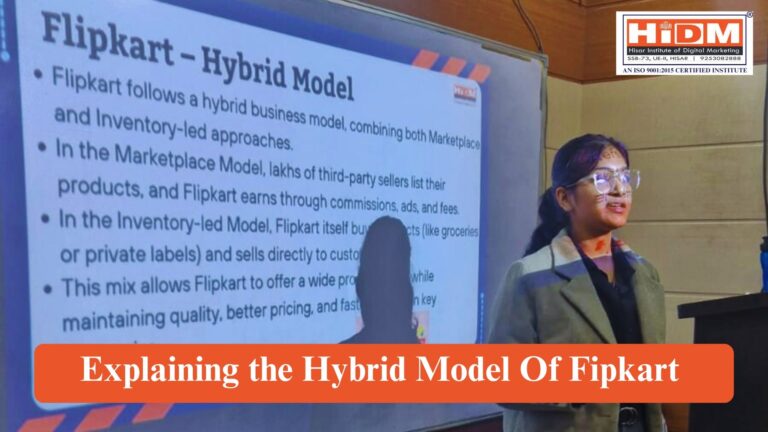
- Flipkart follows a hybrid business model, combining both Marketplace and Inventory-led approaches.
- In the Marketplace Model, lakhs of third-party sellers list their products, and Flipkart earns through commissions, ads, and fees.
- In the Inventory-led Model, Flipkart itself buys products (like groceries or private labels) and sells directly to customers.
- This mix allows Flipkart to offer a wide product range while maintaining quality, better pricing, and faster delivery in key categories.
Customer-Facing Model
- Wide product variety across categories.
- Affordable shopping with offers & EMI/Pay Later.
- Easy ordering, multiple payments & fast delivery.
- Trust with COD, returns, and Flipkart Assured.
- Personalized shopping via loyalty programs & sales.
Seller Marketplace
- Open Platform – Lakhs of sellers can register and sell products on Flipkart.
- Low Entry Barrier – Easy onboarding process with minimal investment.
- Wider Reach – Sellers get access to millions of customers across India.
- Support System – Training, cataloguing help, advertising tools, and data insights.
- Logistics by Flipkart – Ekart handles warehousing, packaging, and doorstep delivery.
- Payment Security – Flipkart ensures timely and safe payments to sellers.
- Growth Opportunities – Options for promotions, ads, and participation in Big Billion Days sales.
Flipkart – Major Segments
- Electronics & Mobiles – Smartphones, laptops, appliances.
- Fashion & Lifestyle – Clothes, footwear, accessories (via Flipkart & Myntra).
- Grocery & Essentials – Flipkart Supermart, quick commerce (Flipkart Minutes).
- Home & Furniture – Furnishings, kitchen, furniture.
- Travel & Services – Flight, train, bus booking (via Cleartrip).
- Health & Pharmacy – Flipkart Health+.
- Low-cost Shopping – Shopsy app.
- Digital & Fintech – PhonePe (earlier), Flipkart UPI, Flipkart Finance (NBFC licence).
Reach in Tier 2 & Tier 3 Cities
- Massive Customer Base – A large share of Flipkart’s new customers now come from Tier 2 & Tier 3 cities.
- Affordable Options – Apps like Shopsy and offers like EMI/Pay Later make shopping budget-friendly.
- Local Language & Voice Search – Supports regional languages and easy navigation for first-time users.
- Logistics Expansion – With Ekart hubs and warehouses, Flipkart ensures faster delivery even in smaller towns.
- Empowering Sellers – Local shops, artisans, and small businesses get a platform to sell nationwide.
- Popular Categories – Fashion, mobiles, electronics, and daily essentials see the highest demand in smaller cities.
Flipkart – Trust Building
- Easy Returns & Refunds – Hassle-free policies increase customer confidence.
- Secure Payments – Multiple safe payment options (UPI, cards, COD).
- Authenticity & Quality Checks – Assured products through “Flipkart Assured.”
- Customer Reviews & Ratings – Helps buyers make informed choices.
- Strong Customer Support – 24×7 help and issue resolution.
- Seller Verification – Background checks ensure only trusted sellers onboard.
- Transparency – Clear policies on delivery, pricing, and offers.
Flipkart – Personalized Shopping
- AI & Data Insights – Recommends products based on browsing and purchase history.
- Personalized Home Feed – Shows deals, brands, and categories relevant to each user.
- Smart Search & Filters – Makes it easy to find exactly what customers want.
- Regional Customization – Content in local languages + voice search.
- Exclusive Offers – Customized discounts, bank offers, and Flipkart Plus rewards.
- Notifications & Reminders – Price drop alerts, back-in-stock updates, and sale reminders.
Flipkart – Affordability
- Budget-friendly prices across all categories.
- Big Billion Days & Festive Sales → Huge discounts & offers.
- Bank tie-ups & Cashback → Extra savings for customers.
- No-cost EMI & Pay Later → Easy payment options for all.
- Shopsy app → Low-cost shopping for Tier 2 & 3 cities.
- Exchange & Buyback offers → More value for money.
Flipkart – MSME Empowerment
- 1.4M+ sellers, majority are MSMEs, artisans, and local businesses.
- Provides nationwide reach to small sellers via online marketplace.
- Samarth Program → Supports artisans, weavers, and handicraft makers.
- Offers training, cataloging, and advertising tools for business growth.
- Affordable logistics (Ekart) → Helps MSMEs deliver anywhere in India.
- Access to credit, loans & working capital via fintech tie-ups.
- Festive sales & Big Billion Days → Huge boost in MSME sales.
Flipkart – Seller Hub
- One-stop portal for all sellers on Flipkart.
- Helps sellers with:
- Product Listing – Upload & manage products easily.
- Inventory Management – Track stock in real-time.
- Order Management – View, process & fulfill customer orders.
- Advertising Tools – Run ads & promotions to boost sales.
- Analytics Dashboard – Get insights on sales, trends & performance.
- Provides training & resources for new sellers.
- Supports sellers with payment settlements & customer service.
Who Can Sell On Flipkart?
Flipkart invites sellers from diverse industries to join its platform. The following entities are eligible to sell on Flipkart:
- Individual Sellers
- Private Limited Companies
- Sole Proprietorship Firms.
Big Billion Days Sales
Flipkart’s Big Billion Days is its largest yearly online sale, held during the festive season around Navratri and Diwali. Running for about a week, it offers steep discounts on mobiles, electronics, fashion, and more, along with extra bank offers, no-cost EMIs, and early access for Plus members. Flipkart boosts warehouses, delivery staff, and tech systems to handle huge traffic, while flash deals and limited-time offers create urgency.
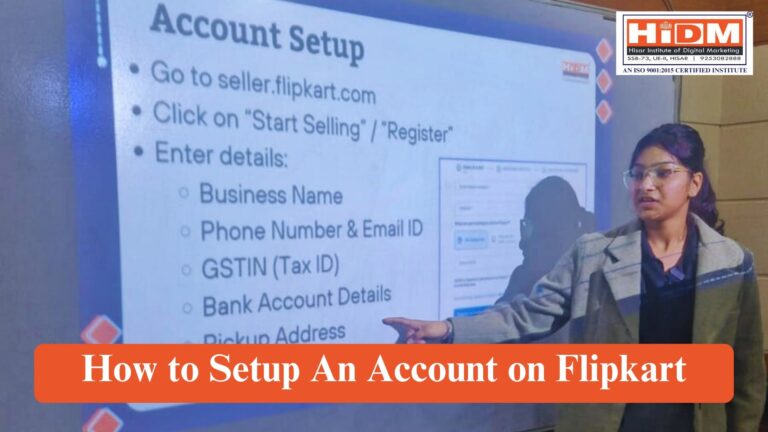
Account Setup
- Go to seller.flipkart.com
- Click on “Start Selling” / “Register”
- Enter details:
- Business Name
- Phone Number & Email ID
- GSTIN (Tax ID)
- Bank Account Details
- Pickup Address.
- Verify with OTP & Documents Upload.
- Once approved, your Seller Hub account is created.
- Create Product Listings with photos, prices, descriptions.
- Set inventory & shipping details.
- Flipkart reviews listings → once approved, products go live.
- Start receiving orders via Seller Hub.
Legal Requirements for Selling on Flipkart
- Business Registration – GSTIN or Business Entity proof (Proprietorship/Partnership/Company).
- PAN Card – Mandatory for tax purposes.
- Bank Account – Active current/savings account for payments.
- Trademark/Brand Authorization – Needed if selling branded products.
- Product Compliance – Follow Indian laws (FSSAI for food, BIS for electronics, etc.).
- Tax Compliance – GST filing, TCS (Tax Collected at Source) under Flipkart policy.
Flipkart Product Listing Structure
- Product Title – Clear name with brand + key details.
- Example: Samsung Galaxy M14 (Blue, 6GB RAM, 128GB Storage)
- Product Category – Correct department & sub-category.
- Example: Electronics → Mobiles → Smartphones
- Images – High-quality photos (front, back, side, zoom).
- Description – Short & detailed features, benefits, specifications.
- Price & Offers – MRP, Selling Price, Discounts, Bank Offers.
- Inventory & Shipping – Stock available, weight, dimensions, delivery options.
- Keywords/SEO Tags – Helps customers find the product in search.
Flipkart Research Tools for Sellers
1. Flipkart Seller Hub Analytics
- Track sales, orders, returns, and payments.
- See which products are performing best.
2. Price & Competitor Insights
- Compare pricing with other sellers.
- Adjust offers to stay competitive.
3. Keyword & Search Trends
- Find what buyers are searching for.
- Use the right keywords in titles & descriptions.
4. Ad Manager (Flipkart Ads Dashboard)
- Run sponsored product ads.
- Measure clicks, impressions, and conversions.
Seminar Gallery
Flipkart Creative Tools
- Image Editing Tool → Upload clear & HD product photos.
- Catalog Templates → Ready-made formats for product details.
- Ad Creatives (Flipkart Ads) → Design banners & sponsored listings.
- Content Guidelines → Tips for writing titles & descriptions.
- Brand Store Setup → Create a customized shopfront on Flipkart.
Flipkart Seller App
- Manage Business Anytime → List, edit & track products.
- Order Management → Accept, pack & ship orders.
- Real-Time Notifications → Get alerts on new orders & returns.
- Payments Dashboard → Track settlements & earnings.
- Performance Insights → View sales reports & growth trends.
- Support Access → Raise queries & get Flipkart help.
Importance of Marketing for Sellers on Flipkart
- Better Visibility – Ads & promotions help products appear on top search results.
- Higher Sales – Marketing brings more clicks → more conversions.
- Brand Building – Creates trust & recognition among customers.
- Compete Smartly – Stay ahead of other sellers with attractive offers & campaigns.
- Targeted Reach – Flipkart Ads show products to the right buyers.
- Festival Advantage – Marketing boosts sales during Big Billion Days & festive sales.
SEO + Reviews for Visibility
1. SEO (Search Optimization):
- Use right keywords in product titles & descriptions.
- Add high-quality images & detailed specs.
- Helps products appear higher in Flipkart search results.
2. Customer Reviews & Ratings:
- Positive reviews build trust and attract buyers.
- More ratings = higher visibility in search & recommendations.
- Responding to feedback improves credibility.
Flipkart’s Scaling Strategies
- Expansion to Tier 2 & 3 Cities – Growing customer base in smaller towns.
- Diversification – Entered grocery, health, travel, fintech, quick commerce.
- Technology & AI – Better recommendations, logistics & fraud prevention.
- Logistics & Supply Chain – Investments in Ekart, warehouses & EV deliveries.
- MSME Empowerment – Onboarding lakhs of small sellers & local brands.
- Festive Sales – Big Billion Days as a growth engine.
- Strategic Acquisitions – Myntra, PhonePe, Cleartrip, etc.
Success Stories of Flipkart Sellers
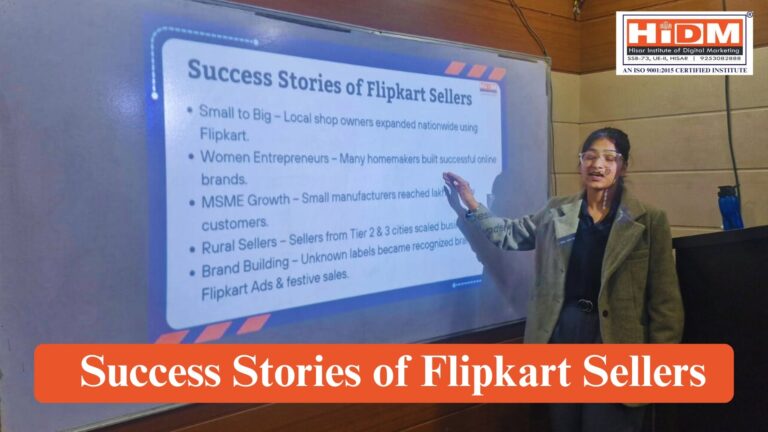
- Small to Big – Local shop owners expanded nationwide using Flipkart.
- Women Entrepreneurs – Many homemakers built successful online brands.
- MSME Growth – Small manufacturers reached lakhs of new customers.
- Rural Sellers – Sellers from Tier 2 & 3 cities scaled businesses online.
- Brand Building – Unknown labels became recognized brands with Flipkart Ads & festive sales.
Affiliate Marketing On Flipkart
A performance-based system where you earn a commission by promoting Flipkart products using unique tracking links on your website, blog, or app
- Sign Up
- Generate Links
- Share these unique product links on your website, blog, social media, or app.
- Drive Traffic
- Earn Commissions.